
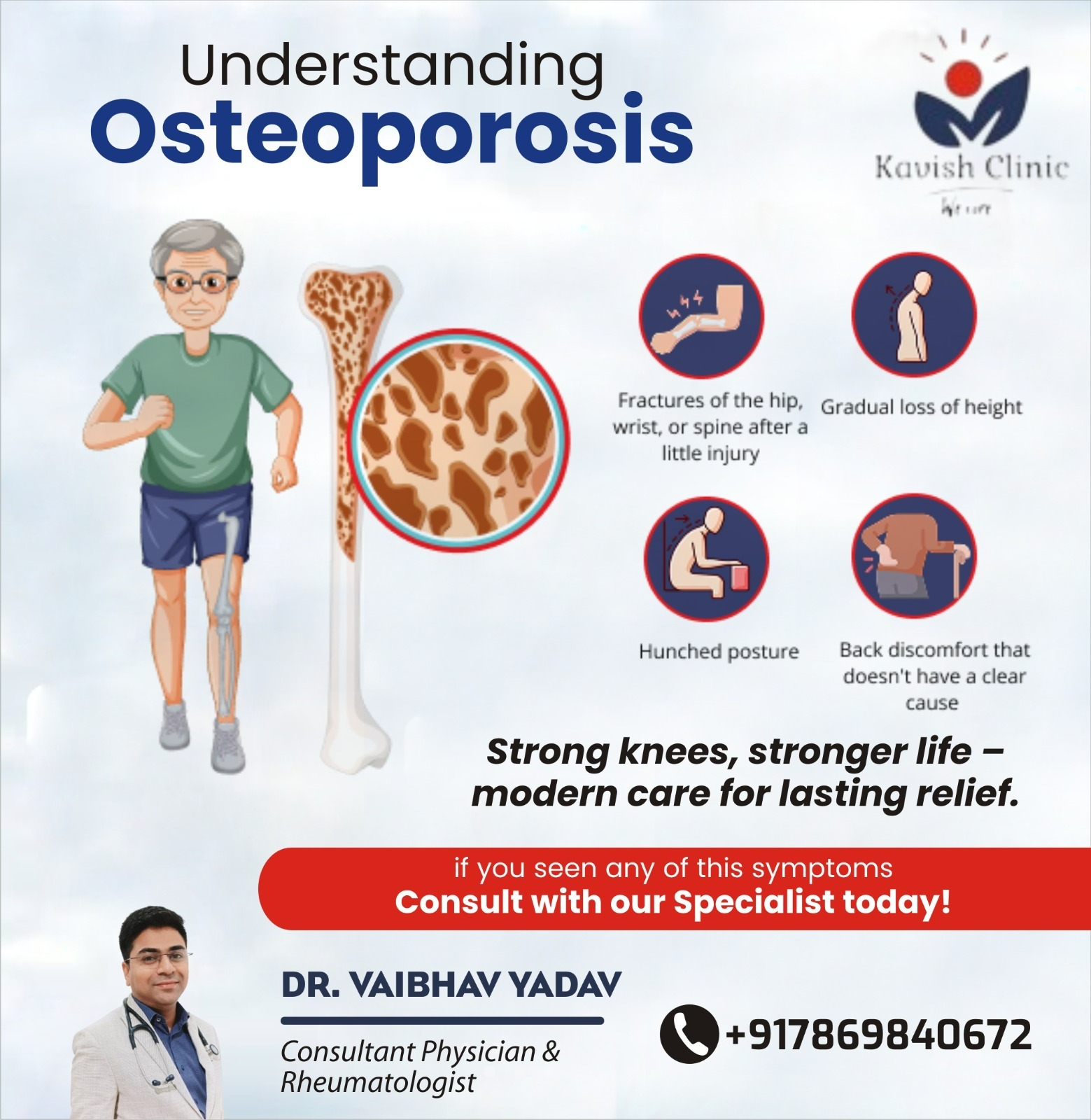
Osteoporosis Treatment near me in Indore is important for people who are experiencing weak bones, frequent fractures, back pain, posture changes, or reduced mobility due to low bone strength. Osteoporosis is commonly known as a “silent” bone condition because many people do not notice symptoms until a fracture or severe pain occurs. It happens when bones lose density and become fragile, making them more likely to break even after a minor fall or simple daily movement.
Bone health is essential for walking, working, lifting, bending, and maintaining an active lifestyle. When bones become weak, the risk of hip, spine, and wrist fractures increases, and daily independence may be affected. A timely consultation with an experienced specialist can help detect the condition early, reduce fracture risk, and guide patients toward better bone strength management.
In Indore, many patients search for reliable care when they notice symptoms like back discomfort, height loss, stooped posture, joint pain, or fracture after a minor injury. Dr. Vaibhav Yadav provides expert consultation for osteoporosis, arthritis, joint pain, and bone health-related concerns at Kavish Clinic.
What Is Osteoporosis?
Osteoporosis is a bone disease in which bone mineral density and bone quality reduce over time. Bones become porous, thin, and fragile, increasing the chances of fractures. According to medical sources, osteoporosis develops when bone breakdown happens faster than new bone formation, which leads to reduced bone mass and structural weakness.
This condition can affect both men and women, but it is more common in women after menopause due to hormonal changes. Older adults, people with calcium or vitamin D deficiency, long-term steroid users, and those with low physical activity may also have a higher risk.
Why Osteoporosis Should Not Be Ignored
Osteoporosis may not cause pain in the early stage. Many patients only come to know about it after a fracture, sudden back pain, or a bone density test. Ignoring weak bones can increase the risk of serious fractures, especially in the hip and spine. These fractures may cause long recovery time, reduced movement, dependency, and repeated health challenges.
Searching for Osteoporosis Treatment in Indore at the right time can help patients take preventive steps before complications occur. Early diagnosis can support better treatment planning, lifestyle correction, nutrition improvement, fall prevention, and regular monitoring.
Common Signs and Symptoms of Osteoporosis
Osteoporosis is often silent, but some warning signs should not be ignored. Patients should consider consultation if they notice:
A specialist can evaluate whether these symptoms are linked with osteoporosis, arthritis, vitamin deficiency, spine issues, or other bone-related conditions.
Who Is at Higher Risk of Osteoporosis?
Many factors can increase the risk of osteoporosis. Women, especially after menopause, have a higher risk because estrogen levels decrease, which can speed up bone loss. Age also plays a major role because bone loss becomes faster as people grow older.
Other risk factors include:
Patients with these risk factors should not wait for pain or fracture. Bone health evaluation can help detect risk early.
Diagnosis of Osteoporosis
Diagnosis usually starts with a detailed medical history, physical examination, fracture history, lifestyle review, and risk assessment. The doctor may suggest blood tests, vitamin D and calcium evaluation, thyroid profile, kidney function tests, or other investigations depending on the patient’s condition.
A bone density test is commonly used to diagnose osteoporosis. The DXA or DEXA scan measures bone mineral density, usually at the hip and spine, and helps estimate fracture risk. Medical references consider DXA measurement at the hip and spine a reliable way to diagnose osteoporosis and assess future fracture risk.
Osteoporosis Treatment in Indore: What to Expect
Treatment depends on age, gender, bone density score, fracture risk, medical history, and underlying causes. The goal is not only to reduce pain but also to protect bones, prevent fractures, improve strength, and support a better lifestyle.
A treatment plan may include:
1. Medical Management
Medicines may be advised when fracture risk is high or bone density is significantly low. The type of medicine depends on the patient’s report, age, medical condition, and risk level. Patients should not self-medicate because osteoporosis medicines need proper selection and monitoring.
2. Calcium and Vitamin D Support
Calcium and vitamin D are important for maintaining bone strength. The doctor may check deficiency levels and suggest supplements if needed. Diet planning may also include milk products, leafy vegetables, nuts, seeds, and other bone-supportive foods.
3. Exercise and Physical Activity
Weight-bearing exercises, walking, balance training, and strength exercises can support bone and muscle health. Exercise should be done safely, especially in older patients or those with fracture risk. A doctor or physiotherapist can guide suitable activity according to the patient’s condition.
4. Fall Prevention
For osteoporosis patients, preventing falls is very important. Small changes like using proper footwear, improving home lighting, avoiding slippery floors, using support rails, and correcting vision problems can reduce injury risk.
5. Treatment of Underlying Conditions
Sometimes osteoporosis is linked with hormonal imbalance, thyroid disorders, vitamin deficiency, rheumatoid arthritis, or long-term medication use. Managing the root cause is necessary for effective care.
Osteoporosis and Joint Pain: Are They Connected?
Osteoporosis mainly affects bone strength, while joint pain is often linked with arthritis, inflammation, cartilage damage, or soft tissue problems. However, both conditions can occur together, especially in older adults. A patient may feel back pain due to spine compression fracture or joint pain due to arthritis.
That is why proper evaluation is important. Instead of assuming that every pain is due to aging, patients should consult a specialist for accurate diagnosis and treatment.
Local Bone Health Care in Indore
People from Vijay Nagar, Palasia, Bengali Square, Rau, Nipania, Scheme No. 54, Super Corridor, and nearby areas often search for osteoporosis doctor in Indore, bone weakness treatment in Indore, or rheumatologist in Indore when they face repeated pain, weakness, or fracture risk.
Local consultation helps patients with regular follow-up, test monitoring, medication review, and long-term bone health planning. For osteoporosis, consistent care matters because bone strength improves gradually with correct treatment, lifestyle support, and monitoring.
How to Support Better Bone Health at Home
Along with medical treatment, daily habits play an important role in maintaining bone strength. Patients can support bone health through simple lifestyle steps:
These steps can help reduce complications and support long-term mobility.
Why Choose Care for Osteoporosis?
Osteoporosis management requires more than pain relief. It needs proper diagnosis, risk assessment, fracture prevention, nutrition planning, exercise guidance, and follow-up care. A specialist can identify whether bone weakness is due to age, hormone changes, vitamin deficiency, arthritis, medication side effects, or another health condition.
At Kavish Clinic, patients can consult Dr. Vaibhav Yadav for osteoporosis, joint pain, arthritis, and rheumatology-related concerns with a patient-focused approach.
FAQs
1. What are the early signs of osteoporosis?
Osteoporosis often has no early symptoms. Warning signs may include back pain, height loss, stooped posture, weak bones, or fracture after a minor fall.
2. How is osteoporosis diagnosed?
Osteoporosis is commonly diagnosed through a bone density test called a DXA or DEXA scan, along with medical history, physical examination, and required blood tests.
3. Can osteoporosis be treated?
Yes, osteoporosis can be managed with medicines, calcium and vitamin D support, exercise, lifestyle changes, fall prevention, and regular monitoring. Treatment depends on the patient’s condition.
4. When should I consult a doctor for bone weakness?
You should consult a doctor if you have frequent fractures, persistent back pain, loss of height, posture changes, vitamin D deficiency, or risk factors such as menopause, aging, or long-term steroid use.
Contact Us
If you are looking for Osteoporosis Treatment in Indore, do not wait for a fracture or severe pain. Early diagnosis and the right care plan can help protect your bones, improve mobility, and reduce future risks.
Contact Us today to book your consultation with Dr. Vaibhav Yadav and take the right step toward stronger bones and better joint health.
| Tags: | #Osteoporosis Treatment near me in Indore |


